
Air Travel to Portugal
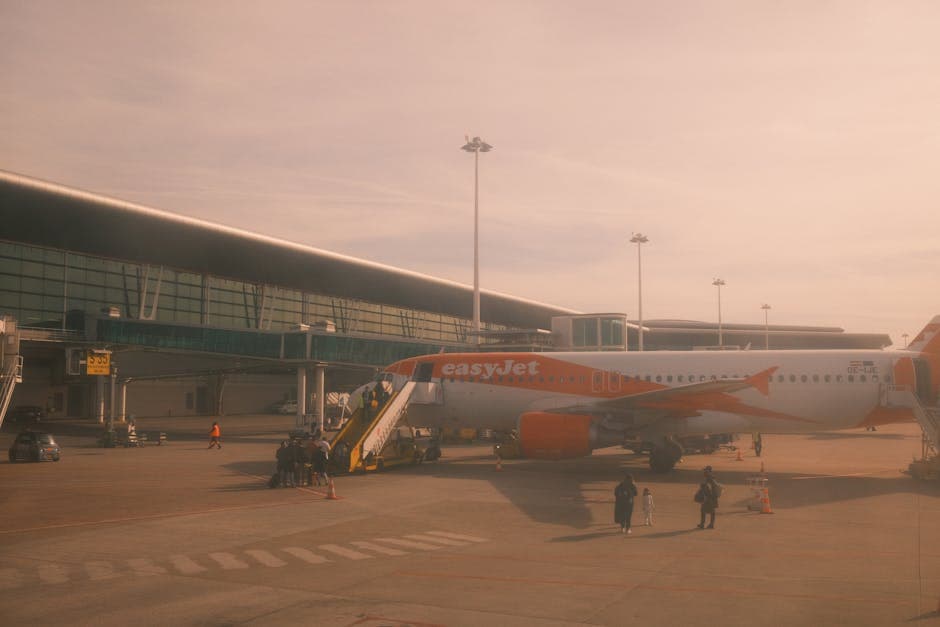
Portugal is well-connected to international destinations through several major airports. The primary gateways for foreign nationals are Lisbon (LIS), Porto (OPO), and Faro (FAO). For those moving to the autonomous regions, Madeira (FNC) and Ponta Delgada (PDL) in the Azores serve as the main hubs. Most international flights are operated by the national carrier, TAP Air Portugal, alongside various international and low-cost airlines.
Major International Hubs
- Humberto Delgado Airport (Lisbon): The largest airport and the primary entry point for long-haul flights from North America, South America, and Africa.
- Francisco Sá Carneiro Airport (Porto): Serves the northern region and is frequently used by European low-cost carriers.
- Faro Airport: The main entry point for the Algarve region, with high traffic during the summer months.
When booking flights for relocation, travelers should account for baggage allowances, as excess baggage fees at the airport can be significant. Depending on the airline, an extra 23kg suitcase may cost between 50 EUR ($54 USD, Jan 2026) and 150 EUR ($162 USD, Jan 2026) if not pre-booked online.
Customs and Border Entry
Customs regulations in Portugal are governed by the European Union (EU) customs framework. The rules for what you can bring into the country differ significantly depending on whether you are arriving from an EU member state or a non-EU country (Third Country).
Arrivals from EU Countries
Travelers arriving from another EU member state are generally not subject to customs duties or VAT on personal goods. However, there are indicative limits for alcohol and tobacco intended for personal use. If these limits are exceeded, customs officials may require proof that the items are not for resale.
Arrivals from Non-EU Countries
Individuals arriving from outside the EU, including the United Kingdom, United States, and Brazil, must adhere to stricter limits. Personal effects (clothing, laptops, personal items) are generally exempt from duty. However, new "high-value" items must be declared.
- Monetary Limit for Goods: Travelers arriving by air may bring goods (gifts, souvenirs) up to a value of 430 EUR ($465 USD, Jan 2026) without paying import duties.
- Alcohol Limits: 1 liter of spirits (over 22% ABV) or 2 liters of fortified wine.
- Tobacco Limits: 200 cigarettes or 250g of tobacco.
For detailed and official lists of tariffs, visitors should consult the Autoridade Tributária e Aduaneira (AT) website.
Currency and Restricted Items
Portugal maintains strict controls on the movement of cash and specific biological products to ensure national security and public health. Failure to declare restricted items can lead to seizures and administrative fines.
Cash Declarations
Any person entering or leaving Portugal with 10,000 EUR ($10,800 USD, Jan 2026) or more in cash (or the equivalent in other currencies/bearer negotiable instruments) must declare it to the Customs authorities. This is a mandatory requirement under EU Regulation 2018/1672 to prevent money laundering.
Prohibited and Restricted Goods
Certain items are either prohibited or require specific documentation to enter Portugal:
- Food Products: Meat and dairy products from non-EU countries are generally prohibited due to biosafety regulations. Small quantities of powdered infant milk or special medical pet food may be allowed if they meet specific packaging criteria.
- Medication: Travelers may bring personal medication. It is recommended to carry a doctor’s prescription (translated into English or Portuguese) and to keep the medicine in its original packaging.
- Pets: Pets arriving from non-EU countries must have an International Health Certificate, a valid rabies vaccination, and a microchip. Some countries may also require a rabies antibody titration test.
Note: The entry of "dangerous" dog breeds is subject to specific Portuguese legislation (Decree-Law no. 315/2009), which requires the owner to sign a liability document and provide proof of clean criminal records.