Daily Life in Portugal: Groceries, Post, and Recycling
Adapting to daily life in Portugal involves understanding the specific administrative and logistical systems that govern household management. This guide provides factual information regarding food retail, the national postal service, and environmental waste standards as of 2025/2026.
Grocery Shopping and Supermarkets
The Portuguese retail landscape is dominated by several major supermarket chains, supplemented by traditional municipal markets (mercados municipais). The primary national chains include:
- Continente: One of the largest retailers, offering a wide range of products and a popular loyalty program (Cartão Continente).
- Pingo Doce: Known for private-label goods and prepared take-away meals.
- Auchan: Typically found in large shopping malls as hypermarkets.
- Lidl and Aldi: Discount retailers with a focus on efficiency and rotating non-food items.
- Mercadona: A Spanish chain that has expanded rapidly across Portugal, noted for its specific private labels.
Operating hours generally run from 08:30 or 09:00 to 21:00 or 22:00, including weekends. In smaller towns, some shops may close earlier on Sundays. Under current environmental regulations, lightweight plastic bags incur a contribution fee, typically 0.10 EUR ($0.11 USD, Jan 2026) per bag. Residents are encouraged to use reusable bags.
For price estimation, a moderate monthly grocery budget for a single person ranges between 250 EUR ($273 USD, Jan 2026) and 350 EUR ($382 USD, Jan 2026), depending on dietary habits and location. Information on pricing can be tracked via the official DECO Proteste website, which monitors consumer costs.

Postal Services and Deliveries
The national postal service in Portugal is operated by CTT (Correios de Portugal). It manages standard mail, registered mail (correio registado), and parcel delivery. Most post offices are open Monday to Friday from 09:00 to 18:00, with some branches in major cities or shopping centers open on Saturdays.
Shipping and Customs
For international residents, understanding customs regulations for non-EU shipments is critical. Items sent from outside the European Union are subject to VAT and potential customs duties regardless of value. CTT provides an online portal for the payment of these fees (desalfandegamento). Handling fees for processing customs start at approximately 2.50 EUR ($2.73 USD, Jan 2026) for simplified procedures.
Parcel Lockers and Tracking
To mitigate missed deliveries, many residents use Locky (a CTT subsidiary) or Pickup points (operated by DPD). These are secure lockers located in petrol stations, supermarkets, and metro stations. You can track domestic and international shipments via the CTT tracking portal.

Waste Management and Recycling
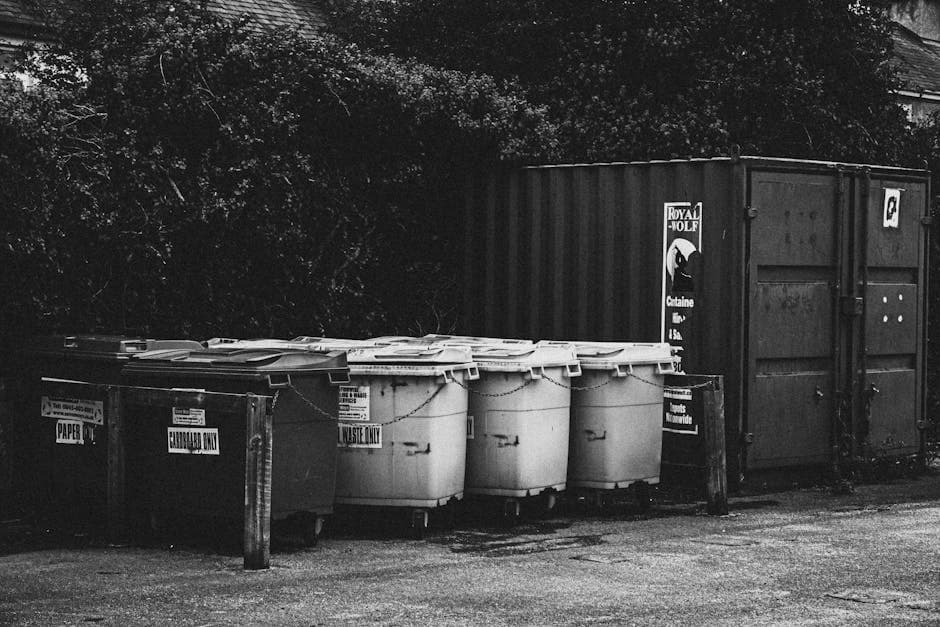
Portugal utilizes a color-coded waste separation system known as Ecopontos. These bins are located on almost every street corner in urban areas. Proper disposal is mandated by local municipal regulations, and fines may apply for improper dumping.
The Ecoponto System
- Blue Bin (Papelão): Paper, cardboard, newspapers, and magazines.
- Green Bin (Vidrão): Glass bottles and jars. Lids should be removed and placed in the yellow bin.
- Yellow Bin (Embalagão): Plastic bottles, metal cans, and beverage cartons (e.g., milk or juice boxes).
- Grey/Black Bin (Lixo Comum): Non-recyclable household waste.
- Brown Bin (Bio-resíduos): Organic waste (food scraps). This system is being phased in across various municipalities as part of 2025 sustainability goals.
Specialized Disposal
For items that do not fit in standard bins, residents must use specific services:
- Batteries: Small red containers called Pilhão, usually attached to the side of an Ecoponto.
- Cooking Oil: Specific orange containers (Oleão) found in certain neighborhoods or supermarket parking lots.
- Bulky Items (Monstros): Items like furniture or appliances. Residents must contact their local Junta de Freguesia (Parish Council) to schedule a free collection. Leaving these items on the street without an appointment is illegal.
For detailed local schedules, residents should consult the website of their specific municipality (Câmara Municipal).