
Vibe and Lifestyle
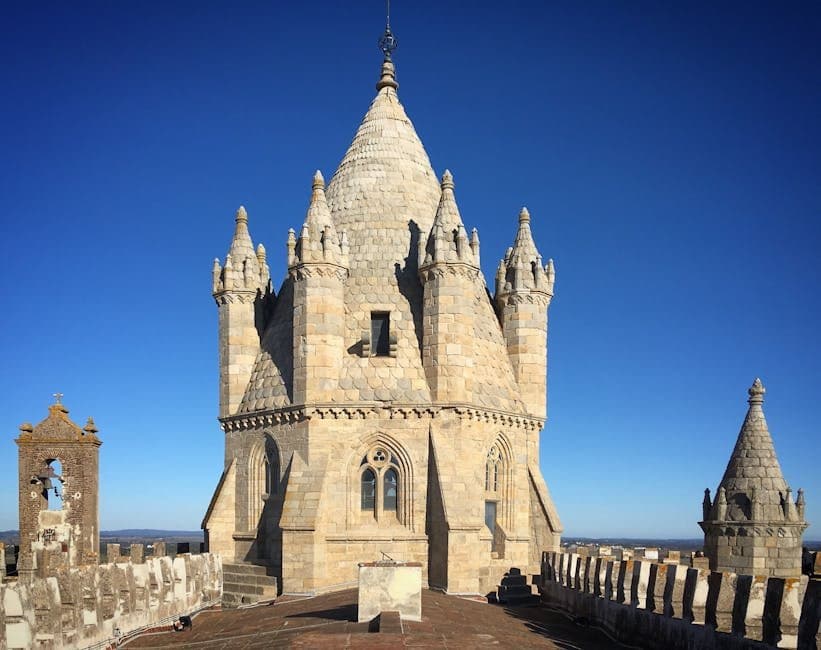
Évora serves as the administrative and cultural capital of the Alentejo region. As a UNESCO World Heritage site, the city is defined by its well-preserved Roman Temple, Gothic cathedral, and 16th-century palaces. The presence of the University of Évora ensures a consistent student population, balancing the city's historical atmosphere with modern academic activity. The lifestyle is characterized by a slower pace, traditional Alentejan gastronomy, and high summer temperatures that often exceed 35°C.
Transport and Connectivity
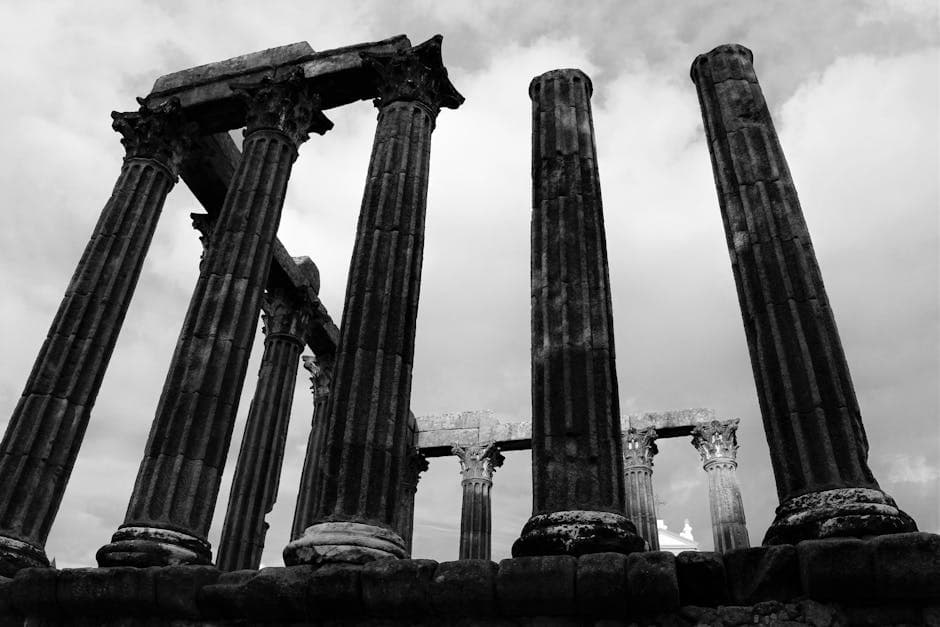
The city is connected to Lisbon via the A6 motorway, with a driving time of approximately 90 minutes. Public transportation includes daily train services operated by CP - Comboios de Portugal, linking Évora to Lisbon's Oriente station in roughly 1 hour and 30 minutes. Regional and national bus routes are managed by Rede Expressos. Within the city walls, the layout is primarily pedestrian-friendly, though local bus circuits (Trevo) serve the outer residential districts and commercial zones.
Neighborhoods and Housing
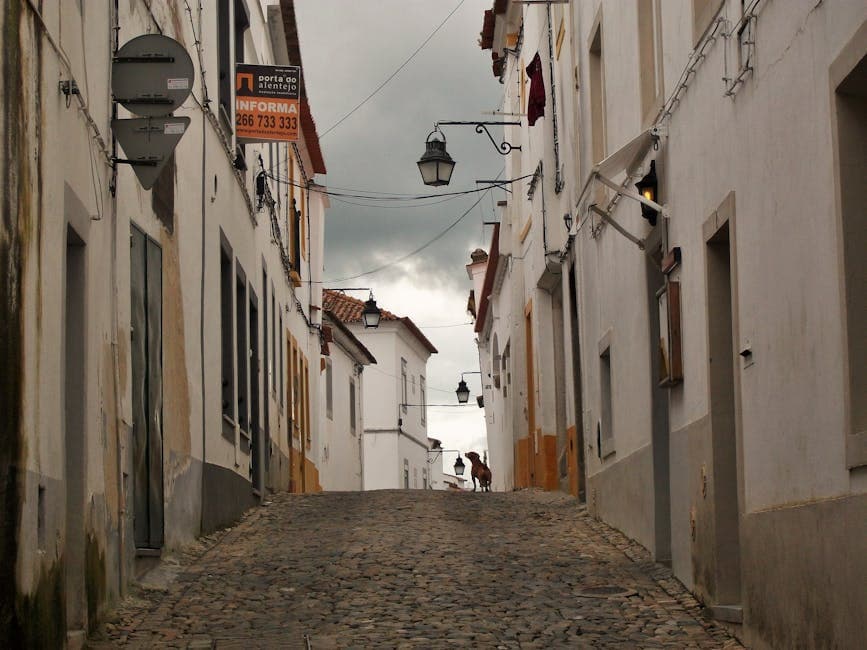
The Centro Histórico (Historical Center) is located within the medieval walls and features traditional white-washed houses with yellow accents; however, parking and modern renovations can be limited here. For modern residential options, the Malagueira district is notable for its unique social housing architectural design by Pritzker-winner Álvaro Siza Vieira. Other established neighborhoods include Bacelo, Senhora da Saúde, and Horta das Figueiras, which offer contemporary apartment complexes, larger grocery stores, and easier vehicle access compared to the old town.
Cost of Living and Healthcare
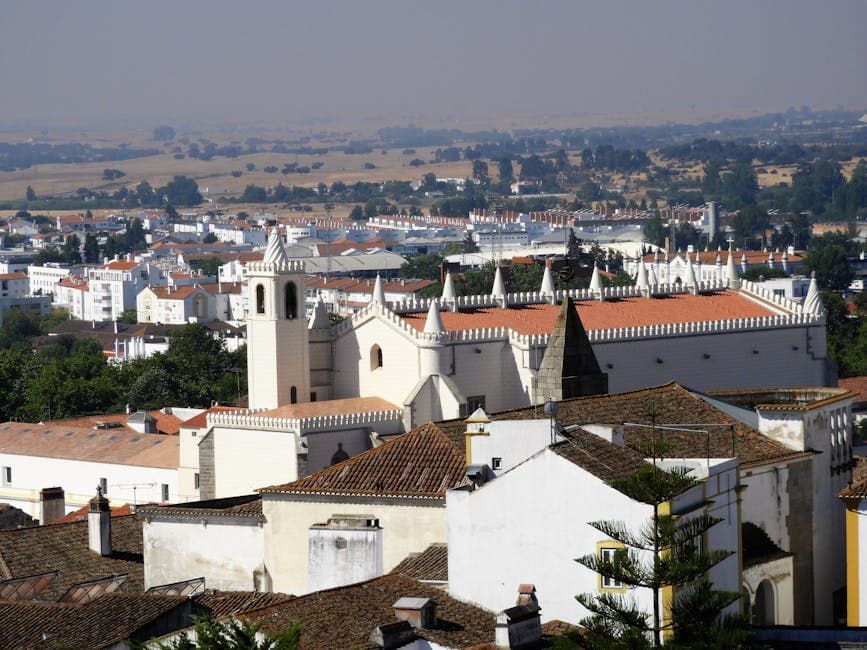
The cost of living in Évora remains more accessible than in Lisbon or the Algarve. Rent for a one-bedroom apartment (T1) typically ranges from 650 EUR to 800 EUR, while three-bedroom units (T3) average around 1,100 EUR. Healthcare services are anchored by the Hospital do Espírito Santo de Évora, a major public regional hospital. Residents also have access to private facilities such as Hospital da Misericórdia. Access to public healthcare depends on individual situation regarding Social Security contributions or specific visa requirements.