
Airport-to-City Transport in Portugal
Portugal’s primary international gateways are located in Lisbon, Porto, and Faro, with additional significant infrastructure in the autonomous regions of Madeira and the Azores. Each airport offers a variety of transit options ranging from high-capacity public rail systems to private ride-sharing services. For foreign nationals arriving in the country, understanding the specific payment systems and route networks is essential for efficient arrival and integration.
Most major airports in Portugal are well-integrated into the municipal transport networks, though the availability of rail connections varies by region. As of 2025 and 2026, the transition toward digital payment systems (contactless bank cards and mobile apps) has simplified the process for international travelers, though physical transit cards remain standard for multi-modal use.

Lisbon Humberto Delgado Airport (LIS)
Lisbon Airport is the largest international hub in Portugal. It is located within the city limits, making transit to the city center relatively short compared to other European capitals.
Metro and Public Trains
The Lisbon Metro (Metropolitano de Lisboa) is the most common method for reaching the city center. The airport is the terminus of the Red Line (Linha Vermelha). To use the metro, passengers must purchase a reusable "Navegante" card.
- Cost: A single fare is 1.80 EUR ($1.89 USD, Jan 2026). The reusable card costs 0.50 EUR ($0.53 USD, Jan 2026).
- Duration: Approximately 20 minutes to the central hub of Alameda or 30 minutes to São Sebastião.
- Operating Hours: 06:30 to 01:00 daily.
Ride-sharing and Taxis
Taxis and ride-sharing apps (Uber, Bolt, and Free Now) are widely available. Taxis are located directly outside the arrivals terminal, while ride-sharing services have a designated pickup point in the "Kiss & Fly" parking area at Terminal 1.
- Standard Taxi Fare: 15.00 EUR - 25.00 EUR ($15.75 - $26.25 USD, Jan 2026), depending on traffic and luggage surcharges.
- Ride-sharing: Prices fluctuate based on demand but generally range from 8.00 EUR to 15.00 EUR ($8.40 - $15.75 USD, Jan 2026) for a trip to the center.
Official information regarding Lisbon transport can be found on the Metropolitano de Lisboa website.
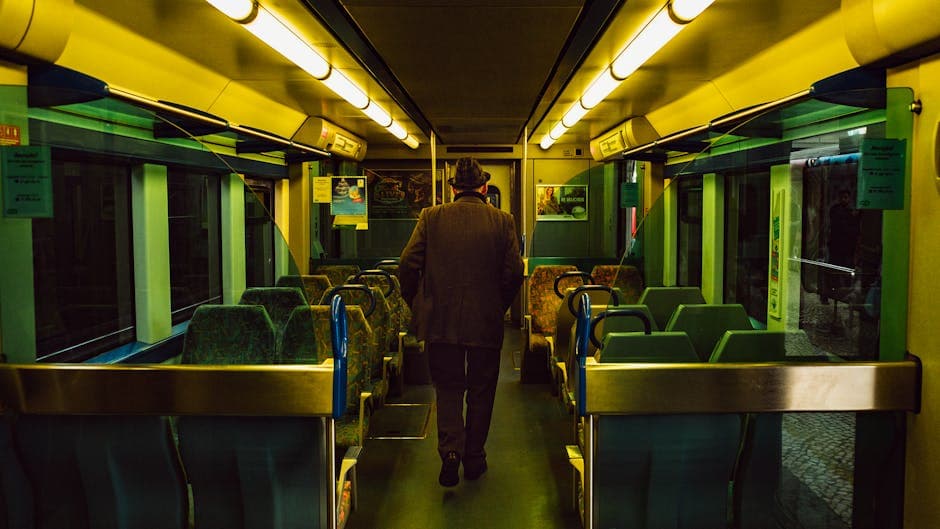
Porto Francisco Sá Carneiro Airport (OPO)
Porto’s airport is located approximately 11 kilometers (7 miles) northwest of the city center. It is frequently cited as one of the most accessible airports in Europe due to its direct metro connection.
Metro do Porto
The Line E (Purple Line) connects the airport directly to the city center (Trindade station). Passengers require an "Andante" card, which can be purchased at vending machines in the arrivals area.
- Zonal System: The airport is in Zone 4 (Z4). A single Z4 ticket costs 2.25 EUR ($2.36 USD, Jan 2026). The reusable card costs 0.60 EUR ($0.63 USD, Jan 2026).
- Duration: Approximately 25-30 minutes to Trindade.
Shuttle and Bus Services
The STCP (Sociedade de Transportes Colectivos do Porto) operates several bus lines (601, 602, 604) that connect the airport to various parts of the city. These are slower than the metro but cover different residential areas.
- Cost: 2.50 EUR ($2.63 USD, Jan 2026) if purchased on board from the driver.
For route planning, visit the Metro do Porto official portal.

Faro Airport and Autonomous Regions
Transport dynamics differ in the southern Algarve region and the Atlantic islands, where rail infrastructure is more limited or non-existent.
Faro Airport (FAO)
There is no train station at Faro Airport. Travelers must use buses, taxis, or private transfers to reach the Faro city train station or surrounding resort towns.
- Bus: Circuit 14 and 16 connect the airport to the Faro city center. Fares are approximately 2.50 EUR ($2.63 USD, Jan 2026).
- Private Transfers: Common for those traveling to Albufeira or Vilamoura. Costs range from 35.00 EUR to 60.00 EUR ($36.75 - $63.00 USD, Jan 2026).
Madeira and the Azores
In Funchal (Madeira) and Ponta Delgada (Azores), public transport is limited to buses and taxis.
- Madeira Aerobus: A dedicated shuttle service to the main hotel zones in Funchal. Cost: 6.00 EUR ($6.30 USD, Jan 2026).
- Azores (PDL): Taxis are the primary method of transport. A trip to the center of Ponta Delgada typically costs between 10.00 EUR and 15.00 EUR ($10.50 - $15.75 USD, Jan 2026).
Practical Information for Newcomers
When navigating Portuguese airport transport, keep the following logistical factors in mind:
Payment Methods
As of 2025, most metro stations in Lisbon and Porto accept contactless Visa and Mastercard for direct entry at the gates, bypassing the need for a physical paper card for single trips. However, for monthly passes or discounted rates, a registered physical card is required.
Luggage and Accessibility
- Taxis: Drivers may charge a mandatory supplement of approximately 1.60 EUR ($1.68 USD, Jan 2026) for luggage exceeding 55x35x20cm.
- Public Transport: Metro trains and modern buses are equipped with ramps and elevators, making them accessible for travelers with reduced mobility or large suitcases.
- Peak Hours: Avoid the Lisbon and Porto Metro lines between 08:00–09:30 and 17:30–19:00 if traveling with significant amounts of luggage, as carriages can become exceptionally crowded.
Safety and Verification
Always use official taxi ranks located outside the terminal buildings. Avoid individuals offering transport services inside the arrivals hall, as these are often unlicensed operators. Official taxis in Portugal are usually beige or black with a green roof and must use a taximeter by law.