Administrative and Geographic Overview
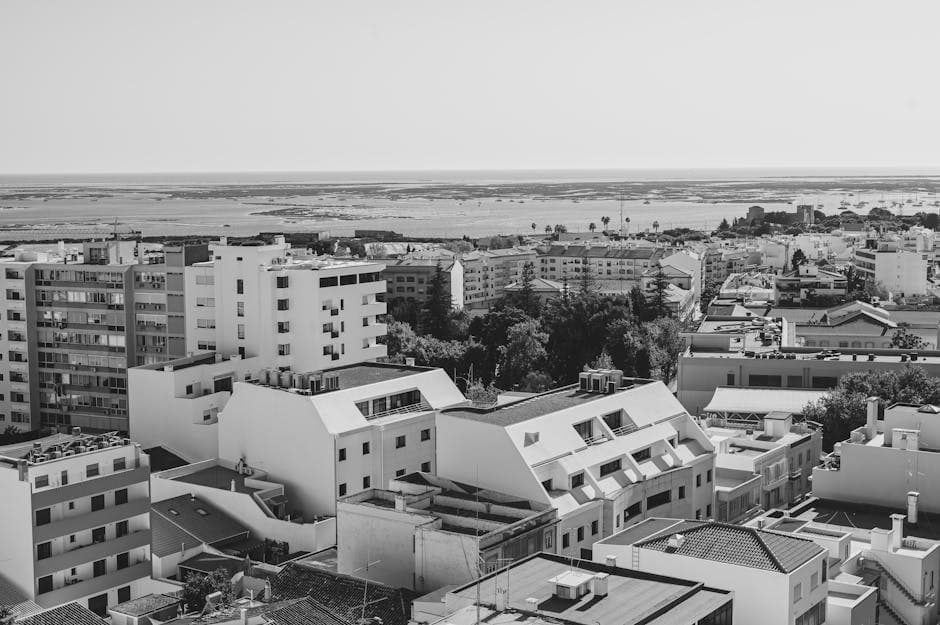
Faro is the southernmost city in mainland Portugal and the seat of the Faro District. Unlike the tourist-centric municipalities of the western Algarve, Faro is a working city that houses the region's main administrative offices, the regional court, and the University of the Algarve. The city is bordered to the south by the Ria Formosa Nature Park, a system of lagoons and islands that separates the urban center from the Atlantic Ocean.
Cost of Living Analysis
The cost of living in Faro is moderate, positioned below Lisbon and Cascais but higher than inland Alentejo or Northern Portugal. For the 2025/2026 period, a one-bedroom apartment in the city center averages 1,050 EUR per month. Residential costs decrease in the outskirts, such as Montenegro or Gambelas, where similar properties range from 800 EUR to 900 EUR.
- Utilities: Monthly costs for electricity, water, and gas for an 85m² apartment average 130 EUR.
- Connectivity: High-speed fiber internet packages typically cost between 35 EUR and 50 EUR per month.
- Groceries: Monthly food expenses for a single person average 250 EUR to 350 EUR depending on dietary habits.
Neighborhood Profiles
Faro is divided into several parishes and districts, each serving different demographic needs:
- Baixa (Downtown): The commercial and historic core. It is characterized by pedestrianized streets, traditional architecture, and proximity to the central bus and train stations.
- Montenegro: A suburban area located near the Faro Airport. It is popular with families and university staff due to its quieter residential atmosphere.
- Gambelas: Situated near the main university campus, this area has a high density of student housing and research facilities.
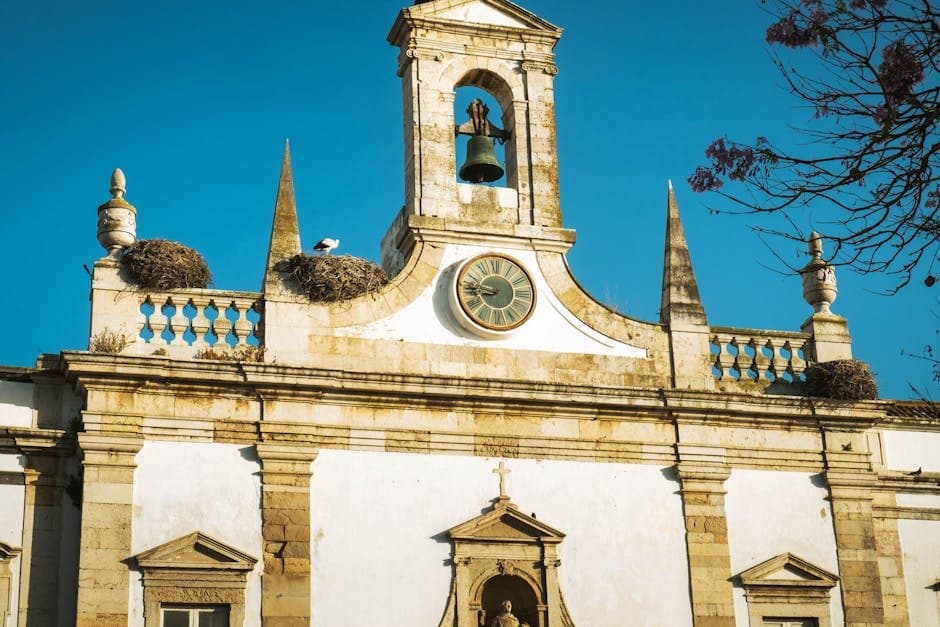
- Cidade Velha: The historic old town enclosed by ancient walls. Housing here is limited and consists primarily of renovated heritage buildings.

Transportation and Infrastructure
Faro is the primary transportation hub for southern Portugal. The city is served by the Comboios de Portugal (CP) rail network, which provides high-speed Alfa Pendular services to Lisbon and regional services across the Algarve coast. Local urban transport is managed by Próximo, which operates 14 bus lines connecting the city center to the airport, beach, and university campuses.
Healthcare infrastructure is the most robust in the region. The Centro Hospitalar Universitário do Algarve (CHUA) is the main public hospital. Private healthcare is accessible through the Hospital Particular do Algarve, which offers a wide range of specialized services and English-speaking staff.