
Education and Childcare in Portugal
The Portuguese education system is organized into several stages, combining public, private, and international institutions. Education is compulsory for all residents, including foreign nationals, from the age of 6 until 18 (or the completion of the 12th year of schooling). The system is overseen by the Ministério da Educação (Ministry of Education) and the Ministério da Ciência, Tecnologia e Ensino Superior (Ministry of Science, Technology and Higher Education).
Foreign residents have the same rights to access the public education system as Portuguese citizens, provided they hold a valid residence permit or can prove they reside in the country. Public education is generally free of charge, though families contribute to school meals and specific materials based on income tiers (ASE - Ação Social Escolar).
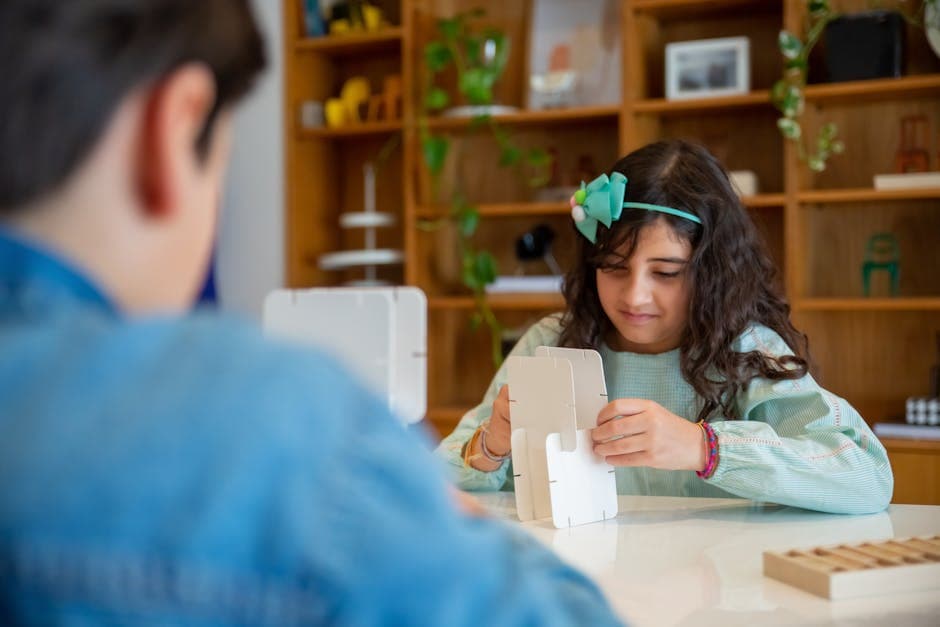
Early Childhood Care and Preschool
Childcare in Portugal is divided into two main stages based on the age of the child: Creche and Jardim de Infância.
Creche (Ages 0 to 3)
Childcare for infants and toddlers is not compulsory. Through the "Creche Feliz" program, the Portuguese government provides free childcare in many private non-profit institutions (IPSS) and some private nurseries for children born after September 1, 2021. For private nurseries not covered by this program, monthly fees typically range from 350 EUR to 600 EUR ($368 USD to $631 USD, Jan 2026).
Jardim de Infância (Ages 3 to 6)
Preschool or Kindergarten is optional but widely attended. Public preschools are free of charge for the educational component, though parents may pay for lunch and "extended hours" (AAAF). Private preschool costs are similar to private creches, often starting at 400 EUR ($421 USD, Jan 2026) per month. Registration for public preschools usually occurs between April and July via the Portal das Matrículas.
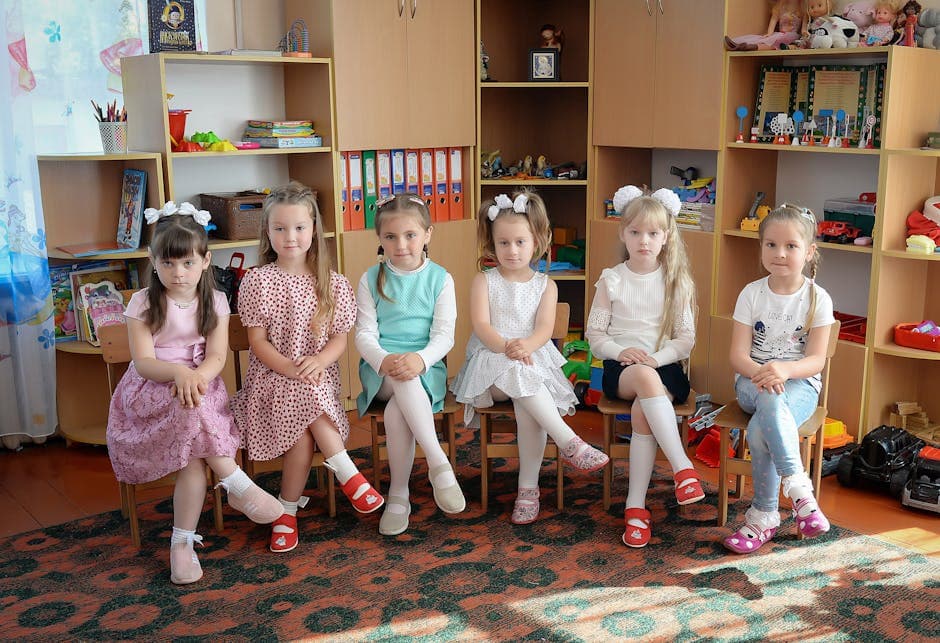
Compulsory Schooling Structure
The compulsory education system, known as Ensino Básico and Ensino Secundário, follows a structured curriculum taught primarily in Portuguese in state schools.
Ensino Básico (Elementary and Middle School)
- 1º Ciclo (1st Cycle): Years 1 to 4 (Ages 6–10). Focuses on literacy, numeracy, and basic environmental studies.
- 2º Ciclo (2nd Cycle): Years 5 and 6 (Ages 10–12). Introduces more specialized subjects like History, Geography, and Natural Sciences.
- 3º Ciclo (3rd Cycle): Years 7 to 9 (Ages 12–15). Includes a broader range of humanities, sciences, and a second foreign language.
Ensino Secundário (High School)
Years 10 to 12 (Ages 15–18). Students choose between "Scientific-Humanistic" tracks (aimed at university entry) or "Professional/Vocational" tracks (aimed at technical qualifications). While public secondary education remains free, textbooks and exam fees may apply depending on the family's social security tier.
International Schools
For families preferring curricula in English, French, or German, Portugal has a robust network of international schools, primarily in Lisbon, Porto, and the Algarve. Annual tuition for these schools generally ranges from 8,000 EUR to 22,000 EUR ($8,420 USD to $23,150 USD, Jan 2026), depending on the grade level and institution.

Enrollment Process for Foreigners
To enroll a child in the Portuguese public school system, parents must use the digital platform Portal das Matrículas or visit the Agrupamento de Escolas (school cluster) in their area of residence.
Required Documentation
- Identification of the child (Passport or Citizen Card).
- Tax Identification Number (NIF) of the child and the guardian.
- Social Security Number (NISS) of the child (required for the "Creche Feliz" program).
- Updated vaccination record (Boletim de Vacinas), translated or verified by a local health center (Centro de Saúde).
- Proof of residence (e.g., rental contract or utility bill).
- Equivalent school transcripts for students entering mid-cycle (may require official translation and Hague Apostille).
Language Support
Public schools offer a program called Português Língua Não Materna (PLNM) to assist foreign students who do not speak Portuguese. This program provides specialized language support within the school schedule to facilitate integration. Availability of PLNM depends on the specific school's resources and the number of foreign students enrolled.
Note: The specific school assigned is determined by the "Agrupamento" (cluster) corresponding to the family's residence or workplace. Priority is given to those living within the school's immediate catchment area.