
Social Etiquette and Greetings
Portuguese social culture is generally conservative, polite, and formal, especially when interacting with strangers or elders. Understanding the distinction between formal and informal address is fundamental for successful integration. While younger generations are becoming more casual, traditional norms still prevail in professional and administrative environments.
Standard greetings in Portugal vary based on the gender of the individuals and the level of familiarity:
- Handshakes: The standard greeting in professional settings and between men who are not close friends.
- Two Kisses (Beijinhos): Common among women and between men and women in social settings. These are air-kisses on each cheek, typically starting with the right.
- Titles: It is customary to use formal titles such as Senhor (Mr.) or Senhora (Ms./Mrs.) followed by the surname. In professional contexts, those with university degrees are often addressed as Doutor (Doctor) or Engenheiro (Engineer), regardless of whether they hold a PhD.
When entering a small shop, café, or elevator, it is considered polite to offer a general greeting such as Bom dia (Good morning) before midday, Boa tarde (Good afternoon) until sunset, or Boa noite (Good evening/night).
Communication Styles
Communication in Portugal tends to be indirect and high-context. Maintaining harmony is often prioritized over blunt honesty. This can sometimes lead to ambiguous answers if a person believes the truth might be perceived as confrontational or rude.
Key aspects of Portuguese communication include:
- Pace of Conversation: Interrupting is often seen as a sign of enthusiasm rather than rudeness, though this varies by region.
- Eye Contact: Direct eye contact is expected and signifies honesty and respect.
- Physical Space: Portuguese people typically stand closer to each other while speaking than people from Northern Europe or North America.
For official information on cultural integration and language resources, foreign nationals can visit the Agency for Integration, Migration and Asylum (AIMA) portal.
Dining and Gastronomy Customs
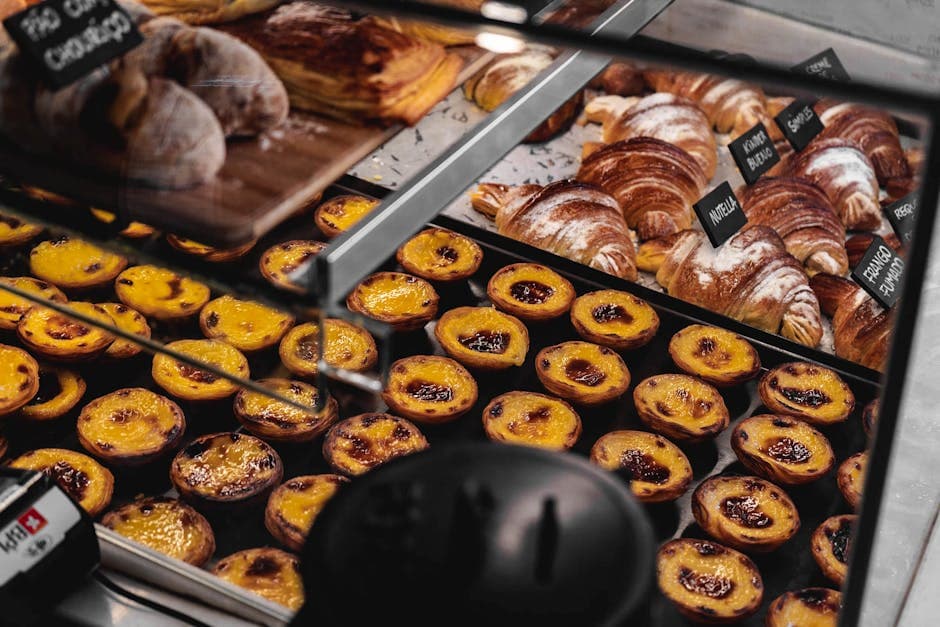
Meal times are central to Portuguese social life. Lunch (almoço) typically occurs between 12:30 PM and 2:30 PM, and dinner (jantar) is usually served between 8:00 PM and 10:00 PM. Many restaurants close their kitchens between 3:30 PM and 7:30 PM.
Important dining etiquette to observe:
- The "Couvert": Upon sitting, waiters often bring bread, butter, olives, or cheese. These are not free; you are only charged if you consume them. A standard couvert may range from 2 EUR ($2.10 USD, Jan 2026) to 5 EUR ($5.25 USD, Jan 2026) per person in standard restaurants.
- Tipping: Tipping is not mandatory but appreciated for good service. In casual cafés, rounding up the bill is common. In restaurants, a tip of 5% to 10% is standard for foreign residents, though locals may tip less.
- Coffee Culture: Coffee is usually consumed as an espresso (um café or uma bica). Ordering a "coffee with milk" (meia de leite or galão) is more common during breakfast or afternoon snacks than after a large meal.
Workplace Culture and Professionalism
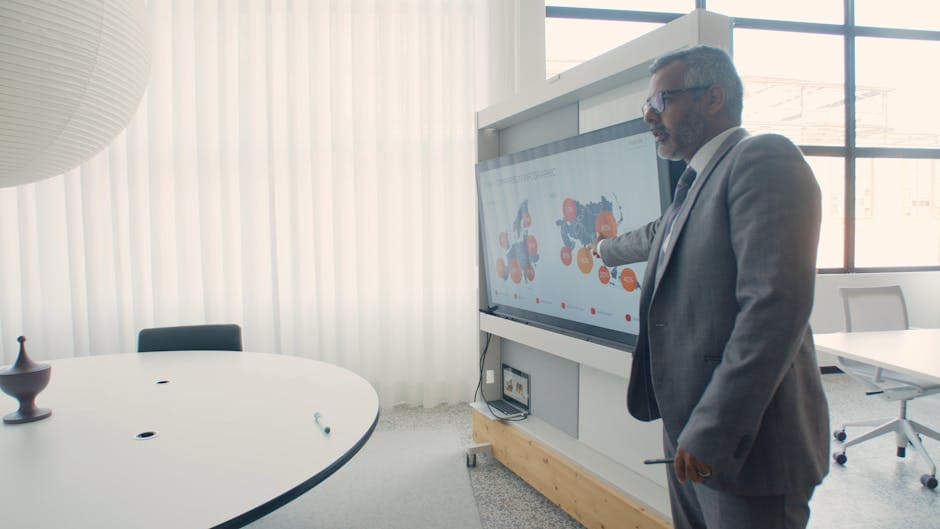
The Portuguese workplace is often hierarchical. Decision-making power usually rests with the highest-ranking individuals. While punctuality for social events can be flexible (often 10-15 minutes late), professional meetings require strict adherence to the scheduled time.
Professional norms include:
- Relationship Building: Business is often conducted based on personal trust. Initial meetings may focus more on getting to know the individual rather than diving straight into technical details or contracts.
- Dress Code: Business attire remains relatively formal in cities like Lisbon and Porto. Men typically wear suits or smart jackets, while women wear professional dresses or suits.
- Working Hours: The standard work week is 40 hours. However, it is common for the workday to end later (around 7:00 PM) due to extended lunch breaks.
Public Behavior and Exceptions
Portugal is generally a safe and tolerant country. However, public displays of excessive noise or visible intoxication are generally frowned upon, particularly in residential areas. On public transport, it is expected to yield seats to the elderly, pregnant women, and people with disabilities.
Regional Variations
Cultural norms can differ between urban and rural areas:
- Urban (Lisbon/Porto): More fast-paced, higher English proficiency, and more accustomed to diverse international habits.
- Rural (Alentejo/Interior): A slower pace of life (vagar), higher emphasis on traditional religious holidays, and a greater expectation for formal greetings among neighbors.
Public Holidays
Many shops and services close on major Catholic holidays and national days, such as April 25th (Liberty Day) and June 10th (Portugal Day). During the month of June, many cities celebrate Santos Populares, where street parties and specific local traditions may temporarily override standard noise ordinances and traffic patterns.