Understanding the Portuguese Banking System
The Portuguese banking sector is modern, highly integrated, and regulated by the Banco de Portugal (Central Bank). For foreign nationals, having a local bank account is essential for long-term residency, as it is required for utility contracts, lease agreements, and receiving a salary. The system is part of the Single Euro Payments Area (SEPA), which facilitates transfers across Europe.
Banks in Portugal generally fall into three categories:
- Retail Banks: Traditional institutions with physical branches (e.g., Caixa Geral de Depósitos, Millennium BCP, Santander, BPI, Novo Banco).
- Digital-First Banks: Portuguese-based digital banks that often offer lower fees (e.g., ActivoBank).
- International Neobanks: European entities popular with expats for multi-currency features (e.g., Revolut, N26).
Accounts are classified as either Resident or Non-Resident. Non-resident accounts typically have higher maintenance fees and require more frequent documentation updates. Most foreigners transition to a resident account once they obtain a Título de Residência (Residency Permit).

Required Documentation for Account Opening
While specific requirements may vary slightly between institutions, the following documents are standard for foreign nationals opening an account in 2025/2026:
1. Tax Identification Number (NIF)
The Número de Identificação Fiscal (NIF) is the most critical document. Non-EU/EEA residents may require a local fiscal representative to obtain a NIF before they can open a bank account, although this rule has been relaxed for certain digital applications. For more information on obtaining a NIF, visit the Portuguese Tax Authority portal.
2. Proof of Identity
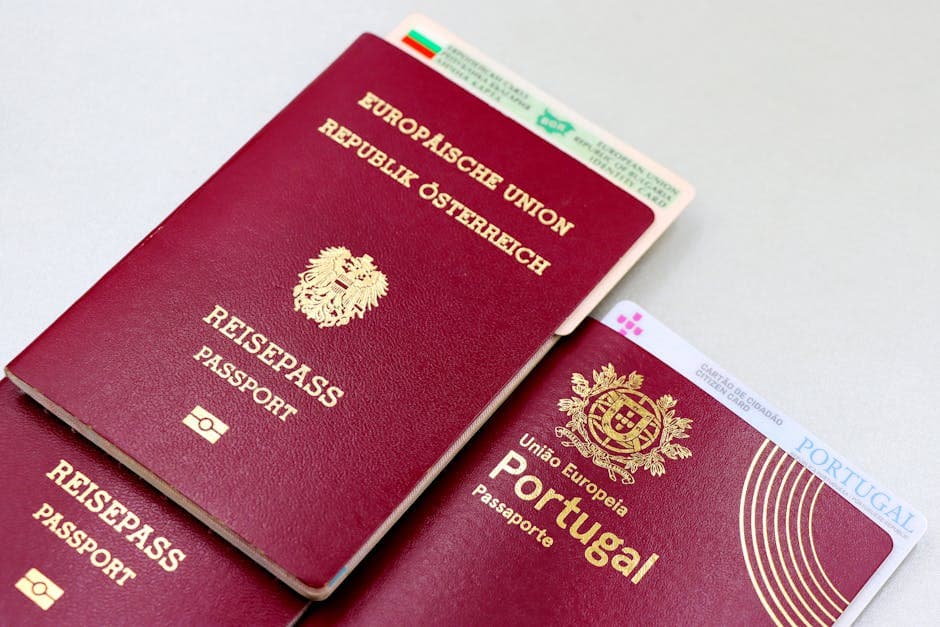
A valid international passport is required for non-EU citizens. EU citizens may use a national ID card. Some banks do not accept driving licenses as a primary form of ID.
3. Proof of Address
Applicants must provide a recent document (less than 3 months old) confirming their residence. This can be a utility bill (electricity, water, or fixed internet), a rental contract, or a bank statement from another institution. Non-residents may use proof of address from their home country.
4. Proof of Employment and Income
Banks are required to verify the source of funds under Anti-Money Laundering (AML) regulations. Common documents include:
- A recent payslip or employment contract.
- For self-employed individuals: Tax returns or Recibos Verdes (Green Receipts).
- For students: Proof of university enrollment.
- For retirees: Proof of pension income.
Payment Systems and Associated Costs
Portugal utilizes a unique interbank network called Multibanco. This system allows users to pay utility bills, top up mobile phones, pay taxes, and even purchase train tickets directly at any ATM. To fully utilize these services, a Portuguese-issued debit card is usually required.
MB WAY
MB WAY is a widely used mobile payment app linked to a Portuguese phone number and bank card. It allows for instant transfers, QR code payments at stores, and the generation of virtual credit cards (MB NET) for secure online shopping. It is the standard for peer-to-peer transfers in Portugal.
Common Fees and Commissions
Banking costs in Portugal vary significantly depending on the account type and the client's age (youth accounts are often free):
- Monthly Maintenance Fees: Typically range from 5 EUR ($5.40 USD, Jan 2026) to 10 EUR ($10.80 USD, Jan 2026). Many banks waive this fee if a minimum monthly salary (often 800-1,000 EUR) is deposited.
- Debit Card Annual Fee: Usually between 15 EUR ($16.20 USD, Jan 2026) and 30 EUR ($32.40 USD, Jan 2026).
- Account Opening Deposit: Most traditional banks require an initial minimum deposit, typically 100 EUR ($108 USD, Jan 2026) to 250 EUR ($270 USD, Jan 2026).
- SEPA Transfers: Standard transfers within the EU are usually free via online banking, while "Instant SEPA" transfers may incur a small fee of roughly 1 EUR ($1.08 USD, Jan 2026).
Note: Many digital-only banks like ActivoBank or international neobanks offer accounts with zero maintenance fees and free debit cards, making them popular choices for new arrivals.
Opening Process for Foreigners
While many banks claim to offer digital account opening, non-EU nationals often find they must visit a branch in person to sign the final "Ficha de Assinatura" (Signature Card). For those still abroad, some specialized agencies or "Relocation Banks" allow for remote opening for a fee, provided the NIF is already in place.