
The Vibe and Lifestyle
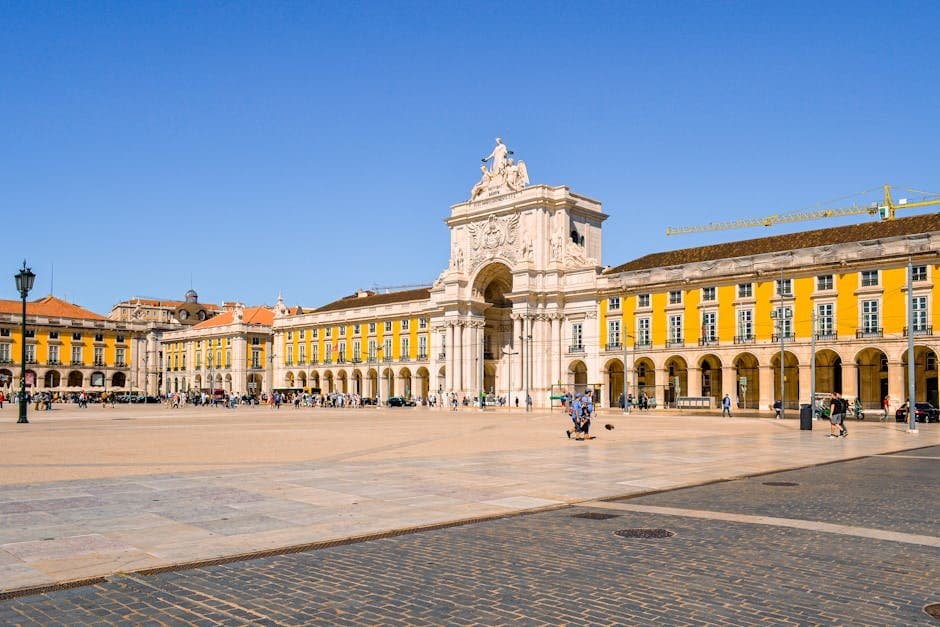
Lisbon is the political and economic capital of Portugal, characterized by its historic Pombaline architecture and limestone-paved streets. As of 2025, the city has solidified its position as a major destination for digital nomads and international investors. The lifestyle is defined by a Mediterranean climate, a high density of cultural heritage sites, and a prominent culinary scene centered on Atlantic seafood and traditional pastries.
Public Transportation Infrastructure
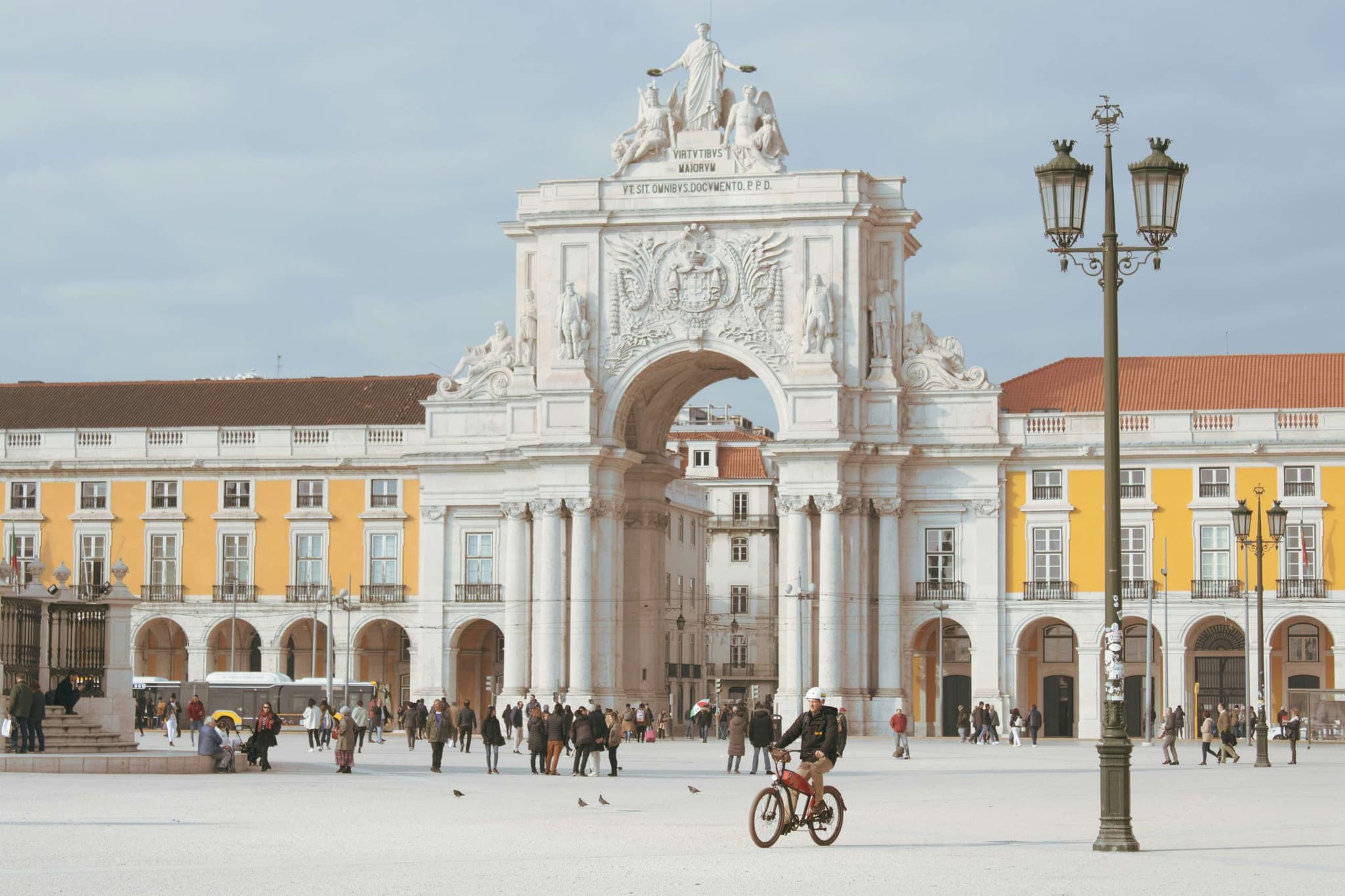
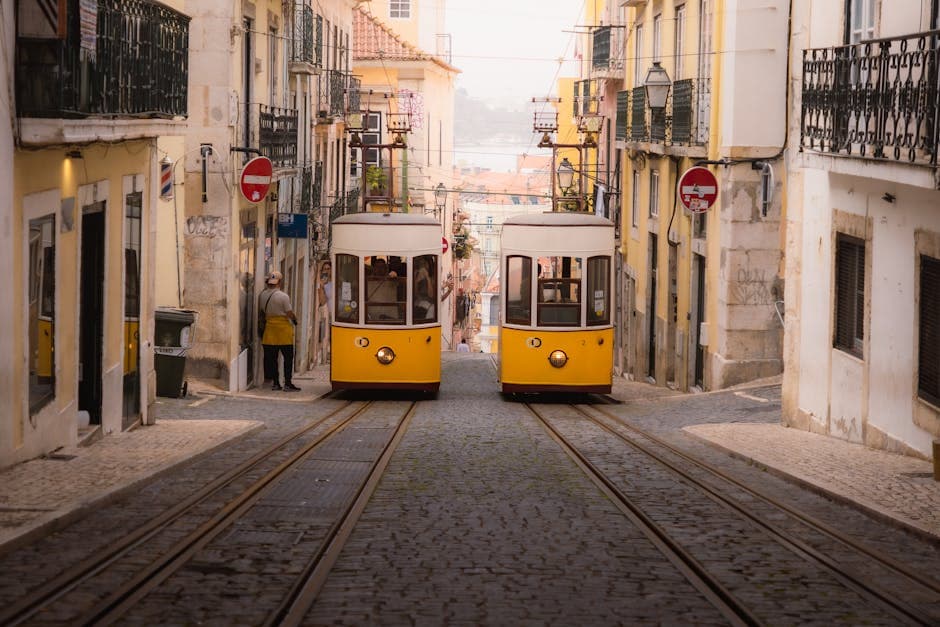
The city's transport network is managed by several entities, providing comprehensive coverage across the metropolitan area. The Metropolitano de Lisboa operates four color-coded lines (Blue, Yellow, Green, and Red) that connect the Humberto Delgado Airport to the city center. Surface transport, including the iconic yellow trams and an extensive bus network, is operated by Carris.
- Regional Rail: Comboios de Portugal (CP) provides essential links to suburban hubs like Cascais, Sintra, and Azambuja.
- River Crossings: Transtejo Soflusa operates ferry services across the Tagus River, connecting Lisbon to Almada, Seixal, and Barreiro.
- Micromobility: The city features a growing network of cycle paths and a public bike-sharing system known as GIRA.
Key Neighborhoods for Relocation
Neighborhood selection in Lisbon typically depends on proximity to the central business district and personal lifestyle requirements. Arroios is frequently cited for its cultural diversity and central location, while Parque das Nações offers contemporary infrastructure, high-rise apartments, and proximity to major corporate headquarters. Santo António remains the most expensive district, encompassing the luxury corridor of Avenida da Liberdade.
Cost of Living and Rent Data
Lisbon is the most expensive city in Portugal. For the 2025/2026 period, rent prices for a one-bedroom apartment in the city center average approximately 1,450 EUR. Outside the historic center, prices may decrease to roughly 1,000 EUR to 1,200 EUR. According to data from Statistics Portugal (INE), housing costs have remained high due to sustained international demand and limited new construction.
Utility costs, including electricity, water, and fiber-optic internet, typically range between 120 EUR and 180 EUR per month for a standard two-person household.
Visa and Residency Framework
Relocation requirements depend on the individual's nationality and employment status. Non-EU/EEA citizens must secure a valid visa before arrival or apply for specific residence permits through the Agency for Integration, Migration and Asylum (AIMA).
- Digital Nomad Visa (D8): For remote workers with a minimum monthly income exceeding four times the Portuguese minimum wage.
- D7 Visa: For individuals with stable passive income, such as pensions or rental earnings.
- EU Citizens: Require a Certificado de Registo de Cidadão da União Europeia (CRUE) if staying longer than 90 days.
- Work Permits: Depends on individual situation and a valid contract from a Portuguese employer.