
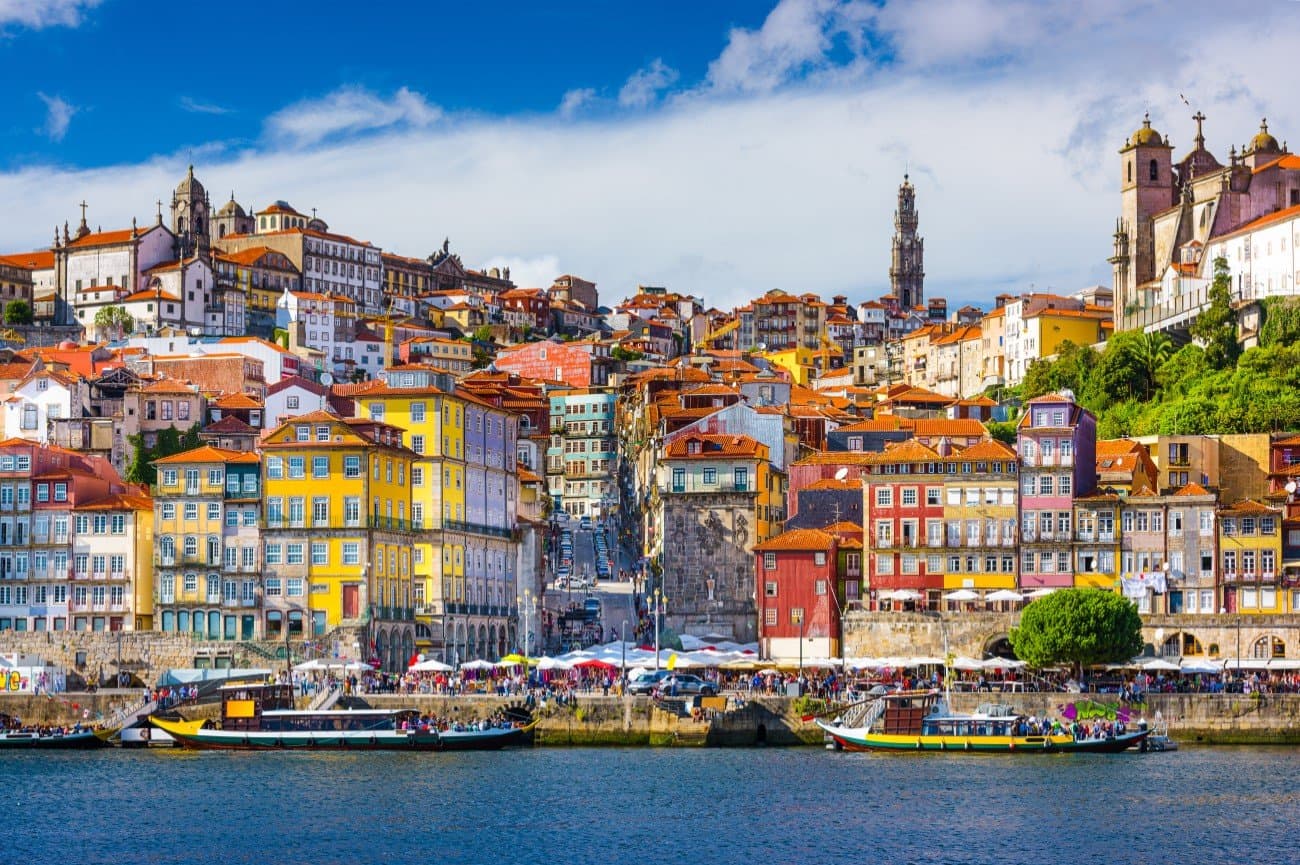
Porto City Overview
Porto is the second-largest city in Portugal and the capital of the Northern Region. The city is situated along the Douro River estuary and is characterized by its granite architecture and steep topography. As of 2025, the city continues to transition from a traditional manufacturing base to a hub for technology, engineering, and specialized services. The climate is classified as Mediterranean with significant Atlantic influence, resulting in cooler temperatures and higher annual rainfall compared to Lisbon or the Algarve.
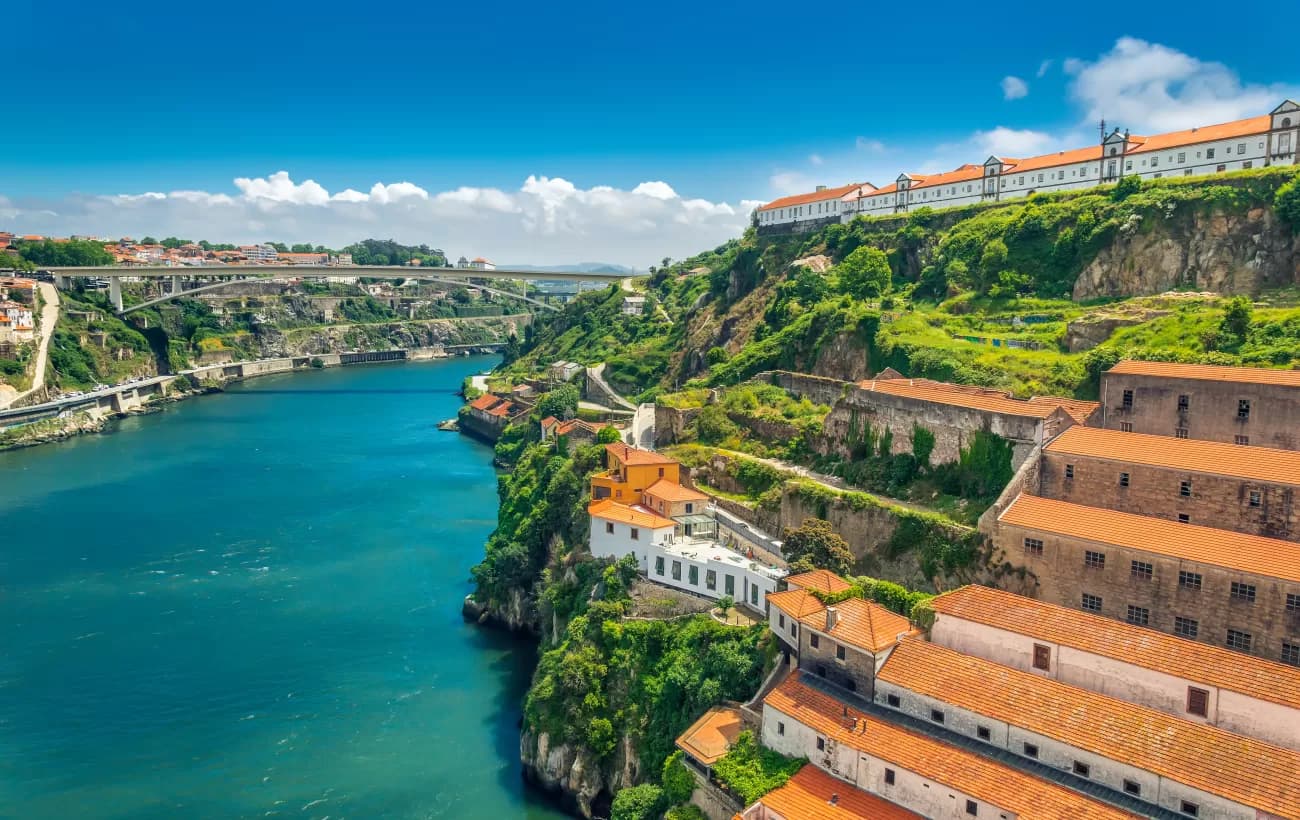
Popular Neighborhoods for Expats
Residential choices in Porto vary significantly by proximity to the city center and the Atlantic coast. Each district operates under distinct price points and infrastructure availability.
Cedofeita
Known as the arts district, Cedofeita is central and contains many galleries and independent businesses. It is popular with younger professionals due to its walkability and proximity to the University of Porto.
Foz do Douro
Located where the river meets the ocean, this is an affluent residential area. It features higher rental prices, proximity to international schools, and coastal promenades.
Bonfim
This neighborhood has seen significant regeneration. It maintains a traditional residential feel while offering lower price points than the immediate historic center.
Vila Nova de Gaia
Located directly across the river, Gaia is a separate municipality but functions as part of Porto's urban fabric. It houses the historic port wine cellars and offers extensive apartment complexes with river views.
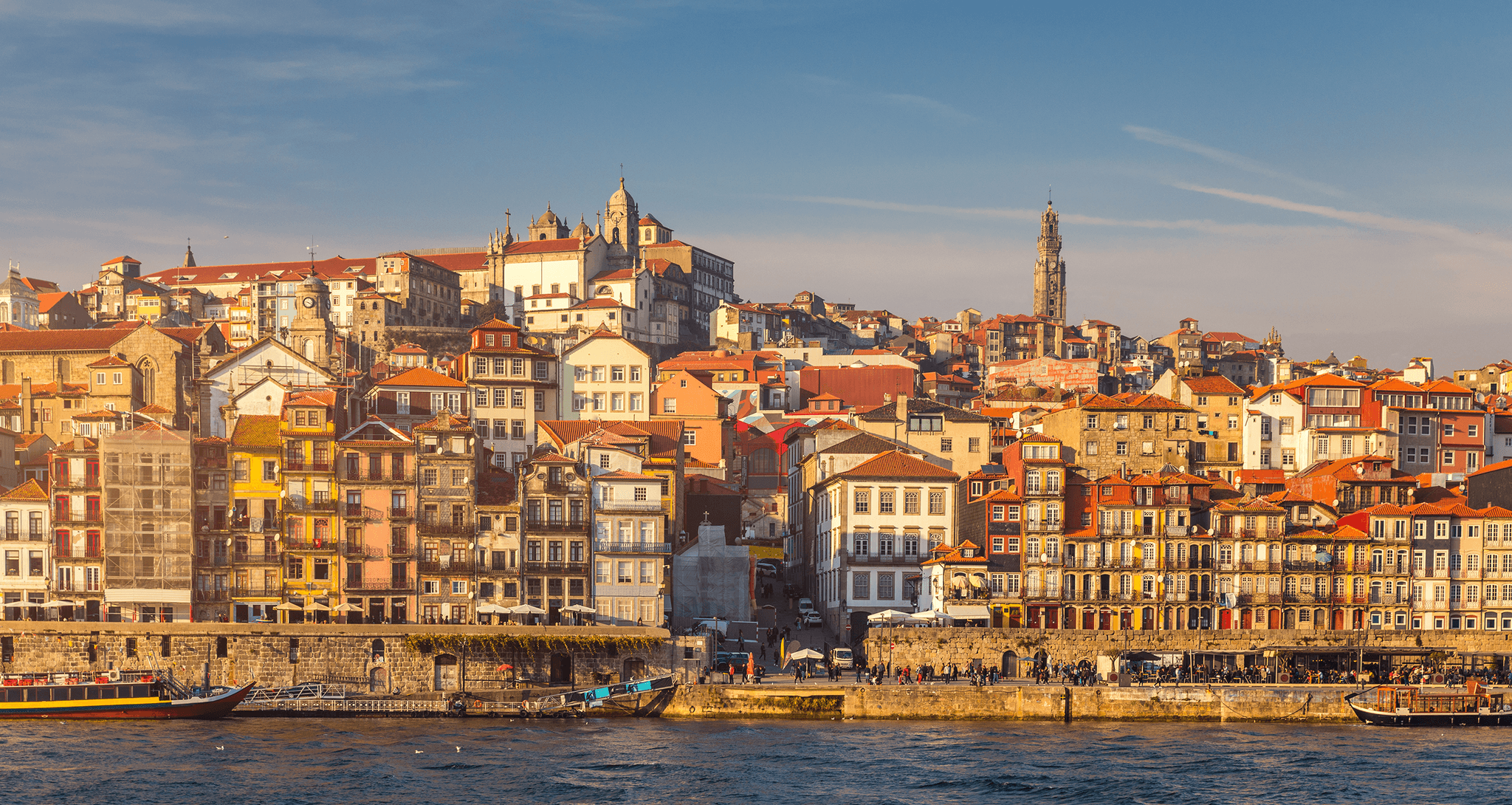
Public Transportation and Infrastructure
Porto's infrastructure is anchored by a comprehensive light rail system and an international airport. The city is highly connected to both domestic and European destinations.
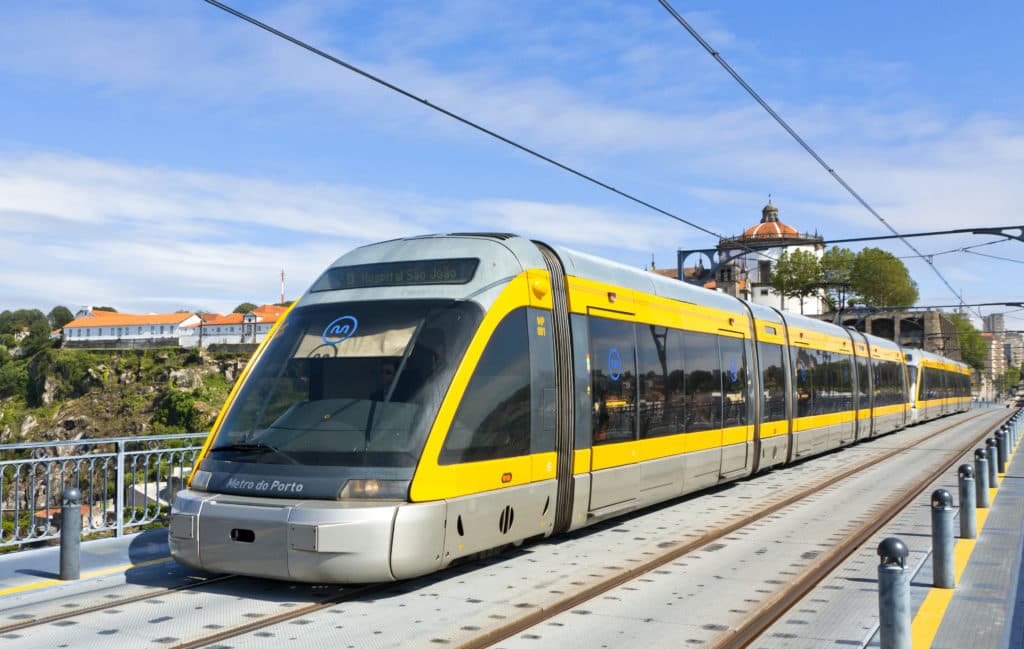
- Metro do Porto: The light rail network consists of six lines (A through F) covering the metropolitan area. Detailed routes and schedules are available via the Metro do Porto official site.
- Buses: The STCP (Sociedade de Transportes Colectivos do Porto) operates an extensive bus network that fills gaps in the metro coverage.
- Air Travel: Francisco Sá Carneiro Airport (OPO) is the second busiest in Portugal, providing direct flights to major European hubs and North America.
- Rail: Campanhã station serves as the primary hub for Alfa Pendular and Intercidades trains connecting Porto to Lisbon and Braga.
Cost of Living and Residency
The cost of living in Porto is approximately 10-15% lower than in Lisbon, though housing costs have increased steadily between 2023 and 2025. Utility costs for a standard 85sqm apartment average between 100 EUR and 150 EUR per month, depending on heating usage during winter months.
Visa and Legal Requirements
Relocation to Porto requires specific legal authorizations based on nationality and purpose of stay. All non-EU citizens must interface with AIMA (Agência para a Integração, Migrações e Asilo) for residency permits.
- D7 Visa: For individuals with passive income (pensions or investments).
- D8 Visa (Digital Nomad): For remote workers earning at least four times the Portuguese minimum wage.
- D2 Visa: For entrepreneurs and small business owners.
- EU Citizens: Require a CRUE (Certificado de Registo de Cidadão da União Europeia) after 90 days of residence, obtainable at the local Câmara Municipal.
Taxation for new residents may be subject to the updated NHR 2.0 (Non-Habitual Resident) framework, which focuses on specific high-value professional categories. Professional tax advice is recommended as eligibility depends on individual situation.